Your Holden Beach Owner Checklist for Seasonal Prep
May 7, 2026
May 7, 2026
A smooth summer at Holden Beach rarely happens by accident. If you own a home here, you know that one missed trash day, one forgotten lighting rule, or one storm-season scramble can quickly turn a relaxing property into a stressful one. The good news is that a few local systems can make ownership easier, protect your home, and help each guest stay start strong. Let’s dive in.
Holden Beach is a primarily residential barrier-island community with a small commercial area, and the town also identifies the island as a turtle sanctuary. That means your seasonal prep should go beyond linens and touch-up cleaning.
You also need to plan around beach rules, sea turtle season, trash schedules, paid parking, and storm procedures. When you build those local details into your routine, you reduce last-minute issues and create a better experience for everyone using the home.
Owning at the beach gets easier when you work from a seasonal calendar instead of reacting week to week. Holden Beach has several timing-specific rules and services that are worth building into your annual plan.
Spring is the time to get ahead of exterior work, guest communication, and turnover systems before the busiest stretch of the year. It is also the right time to line up vendors and confirm that your home is ready for summer operations.
Yard debris service runs on the second and fourth Fridays of March, April, May, October, November, and December. Debris must be bagged or bundled to town specifications, and each residence is limited to ten items per pickup.
Sea turtle season runs from May 1 through October 31. During that window, the town asks owners to keep beachfront lights to a minimum and remove unattended canopies and beach equipment by 6:00 p.m. each day.
If your home welcomes guests with pets, update your house guide before summer begins. One official town page lists beach-strand pet restrictions from May 20 through September 10, between 9:00 a.m. and 5:00 p.m., and pets must be leashed at all times on the island.
Summer is where small oversights become visible fast. Clear systems matter most during back-to-back stays, especially when guests are arriving after a long drive and expect an easy start.
From the Saturday before Memorial Day through the end of September, solid waste pickup happens twice weekly. Carts must be curbside by 6:00 a.m. on collection days, and trash must be bagged before it goes into the cart.
The town also requires rental homes to have at least one trash cart per two bedrooms. Recycling carts cannot replace required trash carts, so it is worth double-checking that your setup matches your bedroom count before the peak season begins.
Paid parking is enforced daily from 9:00 a.m. to 5:00 p.m., with free parking outside those hours. If your guests will be using public access areas, include parking details in your pre-arrival message so they are not figuring it out on arrival day.
Storm prep should not wait for a named system in the forecast. Atlantic hurricane season runs from June 1 through November 30, and Holden Beach owners should have a plan well before the most active stretch of late summer and fall.
North Carolina recommends gathering important documents, a battery-operated weather radio, flashlights, extra batteries, a portable phone power source, medicines, and at least three days of food and water. The state also notes that standard homeowners policies do not cover flooding and that flood policies generally have a 30-day waiting period.
Holden Beach also warns that the bridge can close with no notice. The bridge closes during sustained winds of 45 mph and heavy rain, and re-entry after a storm may be limited, with vehicle decals required if access is restricted.
In October and November, trash service returns to once-weekly Tuesday pickup while yard debris service continues on the second and fourth Fridays. That shift is easy to miss, so update your cleaner and vendor schedules as the season changes.
A strong turnover is not just a cleaning appointment. It is a repeatable process that resets the home, reminds guests about local rules, and helps you catch issues before they become complaints or maintenance calls.
Inside the home, keep the reset simple and consistent. Fresh linens, duplicate towel sets, labeled starter supplies, and a short guest guide can make the home feel organized and easy to use.
Your guest guide should explain Wi-Fi, trash days, parking basics, and emergency contacts. That kind of clarity reduces confusion and gives guests answers before they need to text or call.
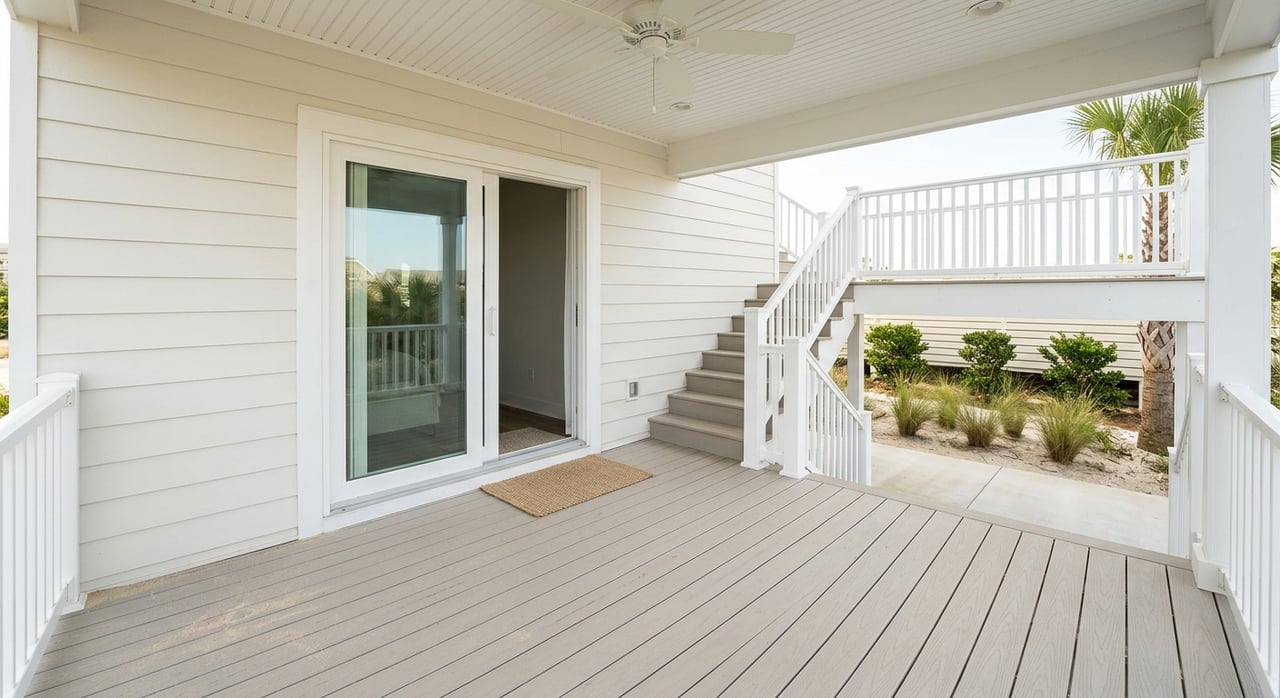
Outside, your team should sweep sand from entries and decks, check that beach equipment is off the strand overnight, and confirm exterior lights and timers are working properly. During turtle season, beachfront lighting should stay low.
This is also a good time to look over stairs, outdoor showers, under-house areas, and storage spots. Coastal homes get heavy wear, and quick checks between stays can help you spot small problems before they interrupt the next booking.
Trash instructions should never be vague at a beach rental. Carts must be out by 6:00 a.m., and the town uses a rollback system that moves containers to the street side, under the house, or to a corral if one is available.
That means your checkout message should say exactly what guests need to bag, where carts belong, and what day matters most for the property. A few extra lines in your message can prevent overflowing bins and post-checkout cleanup issues.
Many turnover problems are actually communication problems. When guests know the local rules in advance, they are more likely to follow them and less likely to leave you with fines, extra labor, or neighbor complaints.
A good pre-arrival message should include beach access reminders, the paid parking process, the pet restriction window, and the turtle-season lighting reminder. Keep it short, friendly, and easy to scan.
You should also include a few local safety notes. The town says there are no lifeguards on the beach, and rip currents can be dangerous, so guests should understand that beach safety is part of their own planning.
If you want to add a helpful local contact, the town lists a turtle hotline for stranded turtles or hatchlings at 910-754-0766. That is a practical detail that fits Holden Beach and reinforces responsible use of the shoreline.
A few guest-facing reminders can lower risk quickly. Grill placement and fire rules are especially worth repeating because they affect both safety and property condition.
The town says grills should be at least 10 feet from any structure and should never be placed on a deck. Open burning is prohibited, and fireworks are banned except for sparklers.
For beach equipment, remind guests not to leave tents or chairs overnight. The town states that unattended beach equipment left overnight may be removed and treated as abandoned property.
It also helps to remind guests to stay off dunes, use CAMA-marked access points when appropriate, and avoid digging holes deeper than 12 inches. These are simple rules, but they protect the beach environment and reduce avoidable problems.
Parking confusion is one of the most common guest frustrations in beach communities. A little direction up front can save a lot of back-and-forth on arrival day.
Holden Beach enforces paid parking from 9:00 a.m. to 5:00 p.m. daily. Guests should also know that personal vehicles are not allowed on the beach strand.
If your property includes a golf cart or low-speed vehicle, make the rules clear in writing. The town says low-speed vehicles must follow motor-vehicle rules and are not allowed on sidewalks or bike lanes.
The easiest homes to manage usually run on checklists, not memory. If you own a second home or rental property at Holden Beach, standardized systems can save time and reduce missed details.
A practical setup includes three separate tools:
You should also keep a storm binder with insurance policies, vendor contacts, inventory photos, and evacuation notes. North Carolina specifically recommends reviewing important documents before storm season, documenting belongings, and sharing the plan with family or co-owners.
Try to schedule vendors around the local calendar as well. Lawn and exterior crews are easiest to coordinate before sea turtle season, and exterior touchups are smart to complete before hurricane season and the fall storm window.
If a storm affects the island, confirm re-entry procedures before sending cleaners or contractors back over the bridge. That step can save time, avoid confusion, and help you respond more efficiently after an event.
A well-run beach home does more than look tidy on check-in day. It supports smoother stays, protects the property, and helps you operate with less stress through the busiest and most weather-sensitive parts of the year.
For second-home owners and investors, those systems also support the bigger picture. Better turnover routines, clearer guest communication, and stronger storm readiness can improve how your home performs and how manageable ownership feels over time.
If you are thinking about buying, selling, or evaluating a coastal property in Brunswick County, local ownership details matter. Working with a team that understands both the lifestyle side and the day-to-day realities of coastal property can make a real difference. Connect with Better Beach Sales to talk through your goals.
Stay up to date on the latest real estate trends.

Imagine a place where work and play seamlessly blend into one fulfilling lifestyle. Our approach at Better Beach Sales goes beyond finding you the perfect home—it’s about building a community that thrives on collaboration and the natural beauty of Oak Island. Together, we can create opportunities, share success, and truly enjoy all that our coastal haven has to offer.