Are you wondering when to list your Holden Beach home so it gets the most eyes and the best offers? Timing matters, especially in a coastal market shaped by vacation patterns and rental calendars. If you want strong online views, solid showings, and minimal disruption to your bookings, the right listing window can make a big difference. In this guide, you’ll learn the best seasons to list, what to expect in each window, and an easy timeline to prep your property. Let’s dive in.
Best listing windows in Holden Beach
Holden Beach follows two overlapping rhythms. Nationally, buyers search most in spring, which boosts online listing views. Locally, summer brings a surge of visitors, which can lead to more on-site interest and showings. Your optimal listing window depends on your goals and how your property is used.
- The strongest windows for online attention are typically spring (March to May) and early summer (May to June).
- If you want heavy in-person traffic, peak summer (June to August) brings many potential buyers to the island while they are on vacation.
- Your first one to two weeks on the market are critical. Launching during a high-traffic season multiplies that early momentum.
Spring: maximize online views
Spring is when buyer searches rise and listings get more clicks. If you want to put your home in front of the largest audience online, this is a great window. You also benefit from longer daylight, greener landscaping, and stable weather for photography.
If your property is a short-term rental, spring timing can reduce conflicts with peak bookings. You still get attention from active buyers without sacrificing prime summer rental weeks.
Early summer: capture both
Listing in late May or early June can deliver a blend of strong online views and growing on-island activity. As visitors arrive, you can see more drive-bys and showing requests. This timing works well if you want a fast start before the busiest rental weeks.
To make it work, plan your preparation in the spring. Schedule photos and staging before your calendar fills up, and coordinate with your property manager in advance.
Peak summer: showings during vacations
June through August is the height of the beach season. Buyers are in town, and many will schedule showings while they visit. This can create a productive period for in-person traffic.
The tradeoff is coordination. Summer is also when occupancy and nightly rates run highest. If you list now, you may need to block select weeks for photos and early showings. Factor the cost of any lost rental income into your decision.
Late summer to early fall: balance the calendar
August to October can be a practical compromise. Inventory often thins after spring, and many buyers who visited in summer are ready to make a decision. You can showcase recent rental performance and present a clear off-season handoff.
Keep hurricane season in mind, especially from August to October. Weather can interrupt showings and may heighten buyer questions about flood zones and insurance. Prepare documentation in advance so you can address those concerns quickly.
Choose your timing by priority
Clarify what matters most before you pick a date. Then match your launch window to that goal.
- Highest online exposure: List in spring or early summer.
- Most in-person showings: List during peak summer weeks.
- Minimize rental disruption: Target spring or the shoulder months, such as May or September.
- Investor focus: List after a strong rental season and present clear income history.
Seller timelines, 3–9 months out
Use these timelines to work backward from your chosen launch date. This helps you secure contractors, align with rentals, and avoid rushed decisions.
Target listing in spring (March to May)
- 9 months out: Review major repairs. Get estimates for roof, structure, or key systems.
- 6 months out: Complete larger fixes. Gather documents like deeds, insurance details, rental history, and HOA information.
- 3 months out: Deep clean and declutter. Book a staging consult and order light updates if needed.
- 4 to 6 weeks out: Schedule professional photos, a virtual tour, and a floor plan. Pick a clear day for exterior shots. Aim for low tide if the beach or canal view is a highlight.
- Week of launch: Go live with polished media. Plan strong showing blocks during the first two weeks.
Target listing in summer (June to August)
- 9 months out: Decide whether pausing or blocking select rentals is feasible. Notify your property manager early.
- 4 to 6 months out: Complete repairs and staging prep during shoulder season, when occupancy is lower.
- 6 to 8 weeks out: Block dates for photos and early showings. Try for early June or late August if you want fewer guest conflicts.
- Note: Summer delivers buyer presence, but it also requires precise coordination with the booking calendar.
Target listing in late summer or early fall (August to October)
- Pros: Fewer competing listings, motivated buyers who saw the market in summer, and room to present rental results.
- Cons: Weather risk during hurricane season. Plan your prep during spring and early summer so you can launch smoothly.
Coordinate rentals, photos, and showings
A well-coordinated plan keeps guests happy and your listing presentation sharp. A little structure goes a long way.
Staging and photography
- Schedule a staging consult 6 to 8 weeks before listing. Aim to complete staging 1 to 2 weeks before photos.
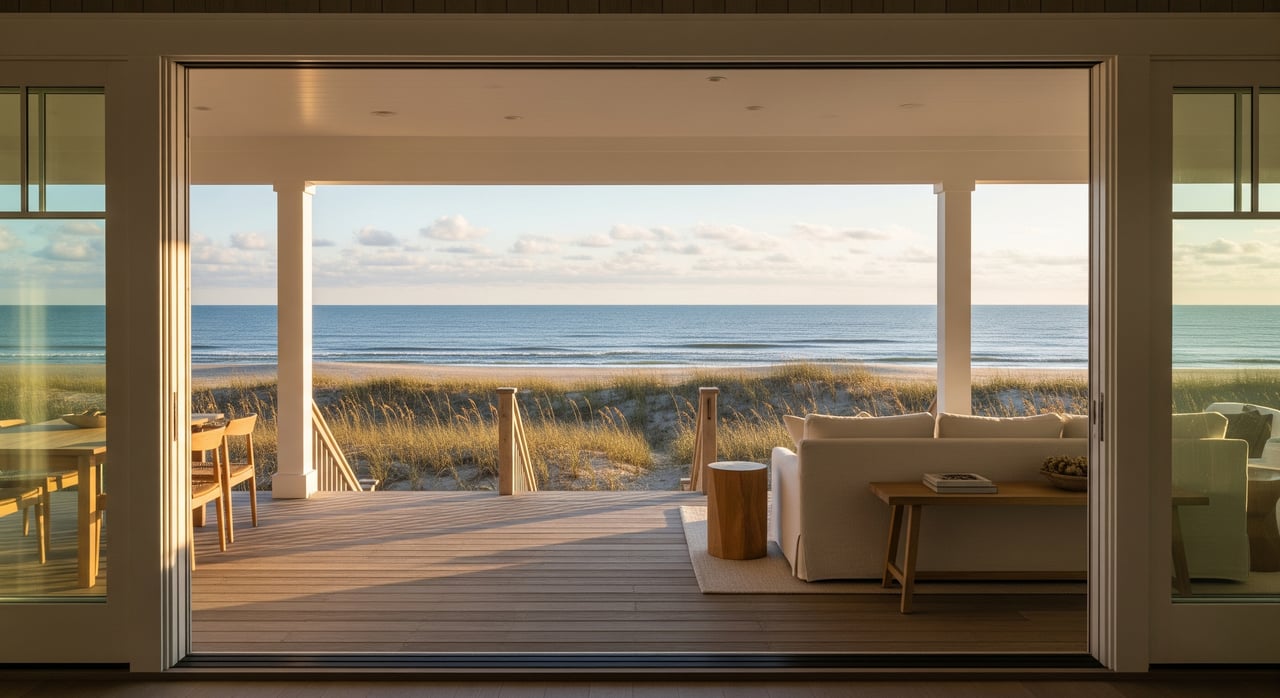
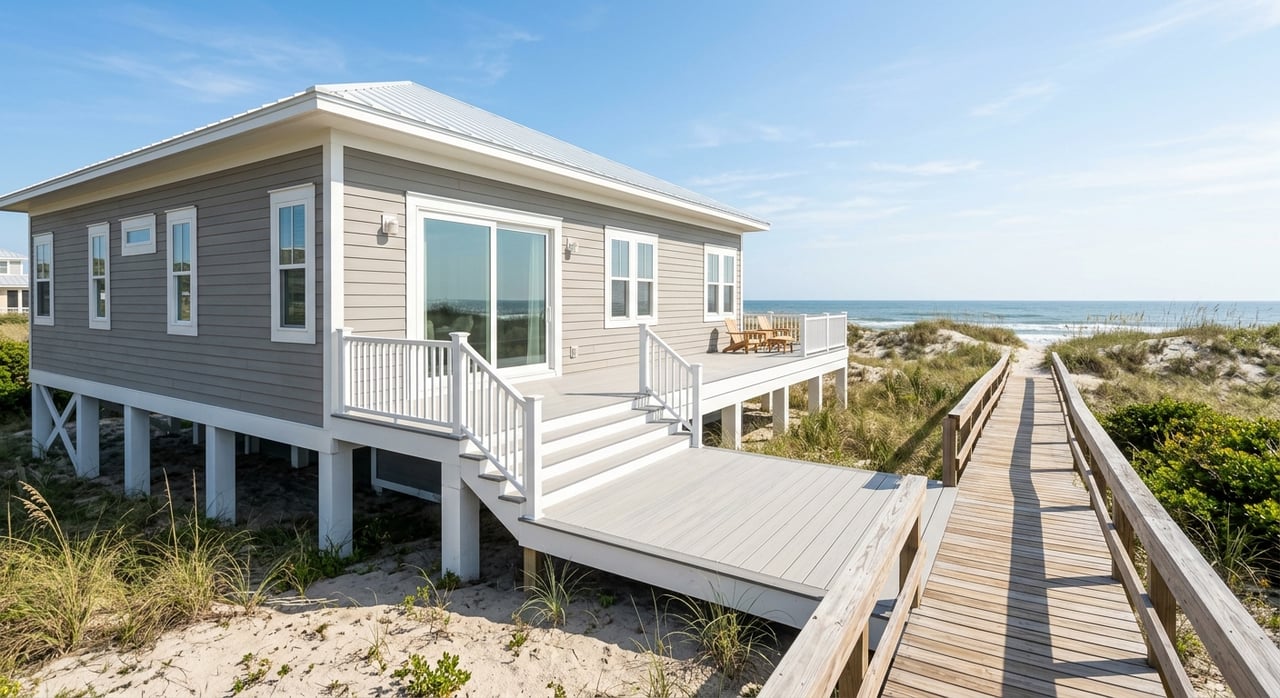
- Make the view a star. Capture low-tide beachfront images, outdoor living areas, and bright, airy interiors.
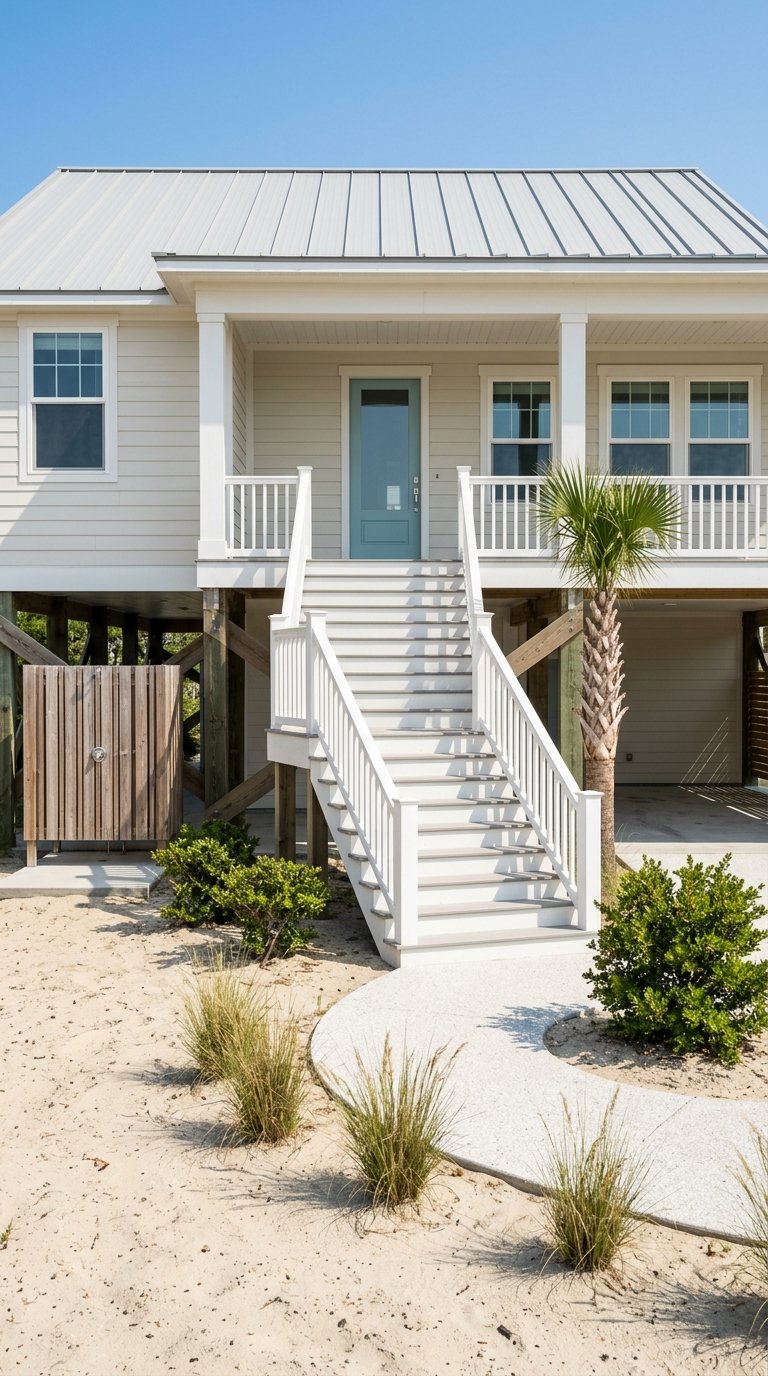
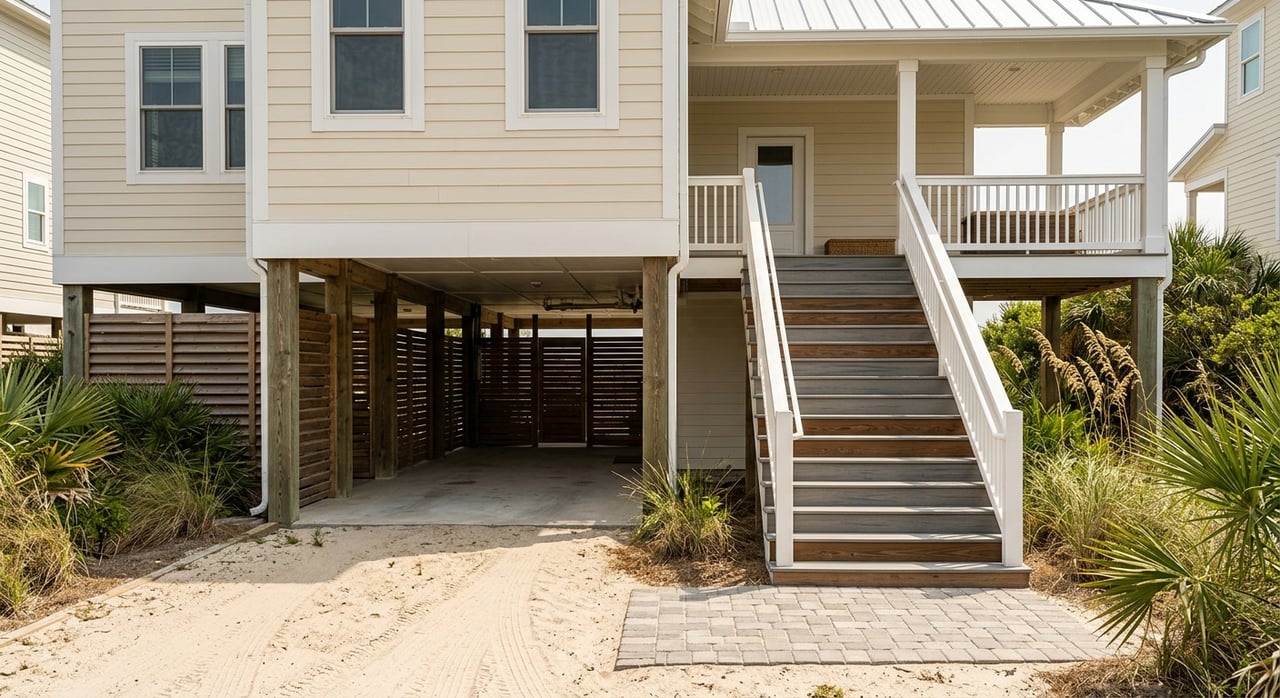
- Use aerial images if permitted, following applicable rules. If a drone is not an option, invest in high-quality exterior shots and a strong floor plan.
- Time photos for ideal light. Exteriors shine during golden hour, interiors look best mid-morning to early afternoon.
Showing access and guest planning
- Work with your property manager to block key dates for photos and initial showings.
- Set a clear access plan, such as a lockbox or smart lock, and confirm it works for back-to-back showings.
- For weekly rentals, target turnover days to minimize guest disruption.
Documents buyers expect
- Flood zone details and recent flood insurance premiums.
- Short-term rental income history for the last 12 to 24 months if you market to investors.
- HOA documents, rental rules, and any local permit information.
- Maintenance and upgrade invoices to support your asking price and reassure buyers.
Pricing and marketing for rental properties
When your home performs as a short-term rental, buyers want to see the numbers and the experience. Package both.
- Highlight verified rental income and occupancy patterns in a simple, one-page summary.
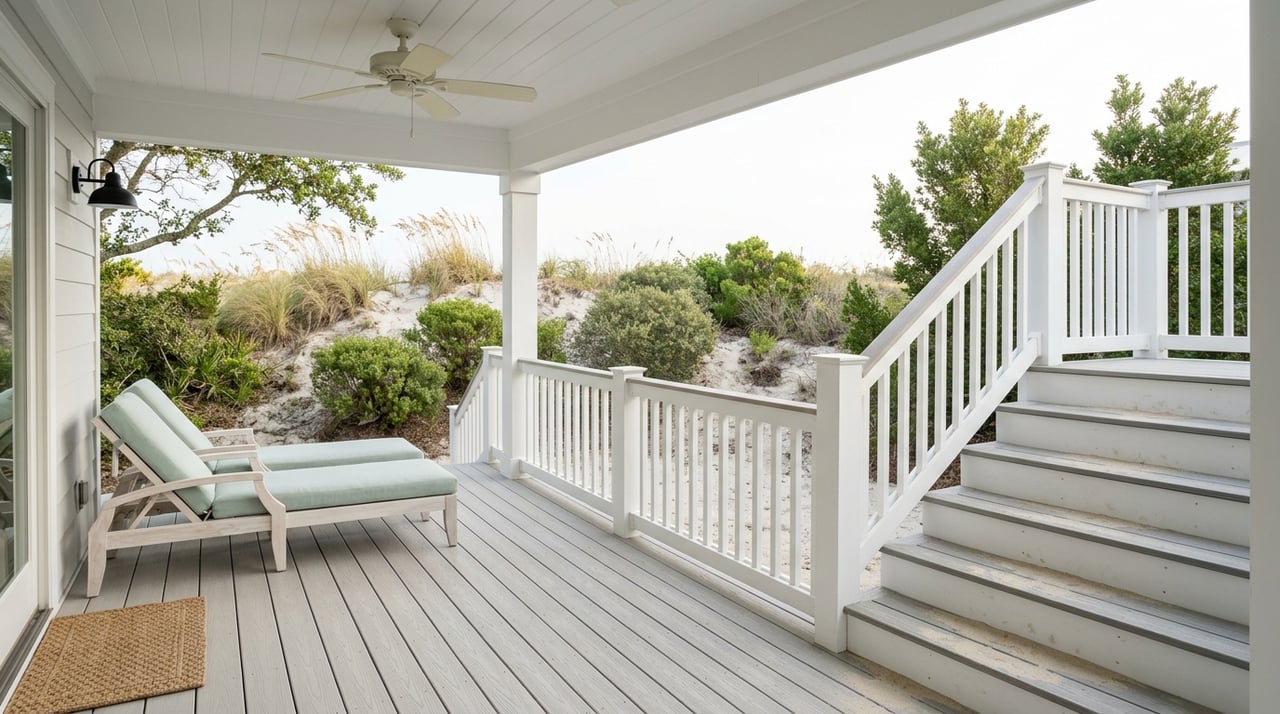
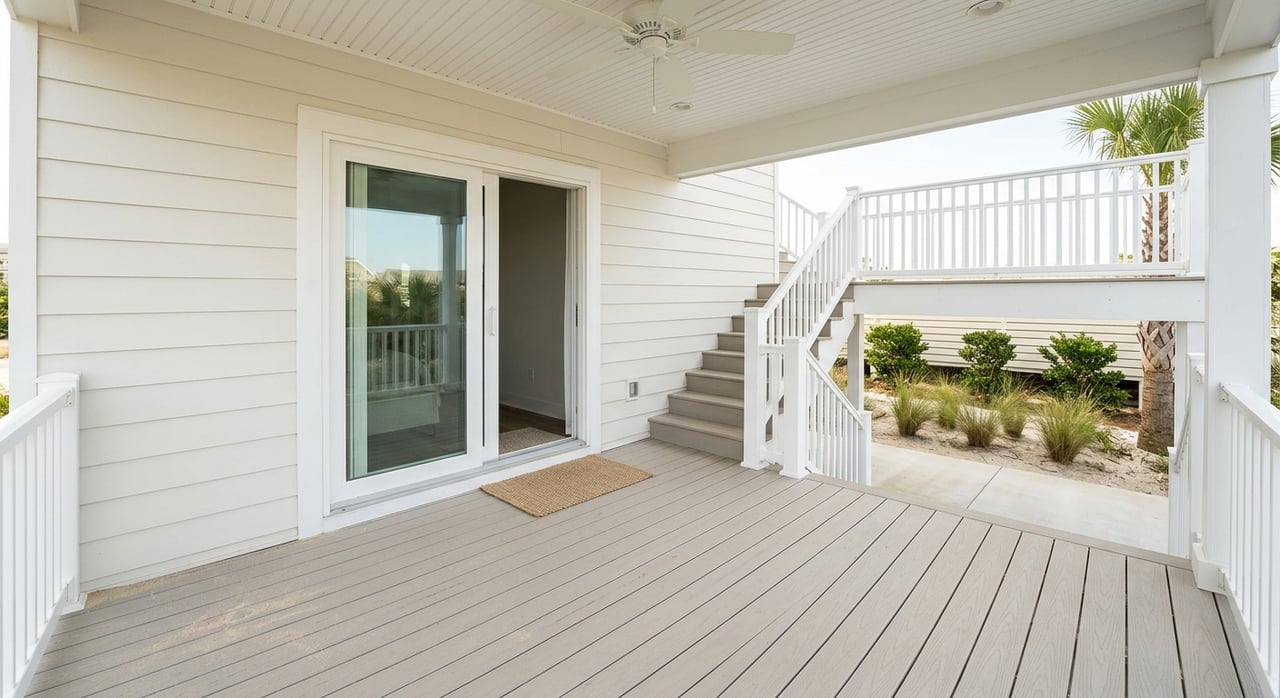
- Showcase guest-friendly spaces, outdoor living, and proximity to the beach in your media.
- If you block rental weeks to launch, understand the revenue tradeoff and incorporate it into your pricing and negotiation strategy.
- An integrated rentals-to-sales platform can make your property more attractive to investors who want a seamless handoff after closing.
Hurricane season readiness
You can list during hurricane season, but it calls for preparation. Transparent documentation and flexible scheduling help you maintain momentum.
- Time your initial push before peak risk if possible. If not, build in room for weather delays.
- Prepare flood zone information, elevation details if available, and current insurance premiums.
- Allow extra lead time for specialized inspections and appraisals.
A quick decision guide
If you want the biggest online audience and polished presentation, plan for a spring or early summer launch. If you want maximum in-person energy and you can pause select bookings, summer can deliver. If you want balance, aim for late summer or early fall and come to market with fresh rental results and complete disclosures.
Whatever you choose, give yourself enough runway. The right prep, photos, and coordination in that crucial first two weeks can shape your entire outcome.
Your next step
If you are planning to sell in 3 to 9 months, now is the time to map your calendar. Our team pairs local expertise with a concierge process that handles prep, presentation, and timing around rentals. To talk through your goals and choose the best window for your Holden Beach sale, connect with Better Beach Sales.
FAQs
Is spring always the best time to list in Holden Beach?
- Spring often brings the most online searches and strong buyer activity, while summer can produce heavy on-site traffic. The best choice depends on your goals and rental calendar.
How should I handle existing short-term rental bookings if I plan to sell?
- Coordinate early with your property manager, target shoulder months to reduce conflicts, and block select weeks for photos and showings if needed.
What lead time do I need for staging and professional photos?
- Book staging 4 to 8 weeks before listing and schedule photography right after staging, with a weather buffer for the best light and exterior conditions.
Should I list during hurricane season in Holden Beach?
- You can, but plan for possible weather delays and increased buyer questions on flood zones and insurance. Provide clear documentation to keep momentum.
What documents do buyers typically ask for with coastal or rental homes?
- Flood zone and insurance details, recent premium amounts, rental income history, HOA and rental permit information, and maintenance or upgrade records.