Southport Second Home Mortgage Basics and Buyer Tips
December 4, 2025
December 4, 2025
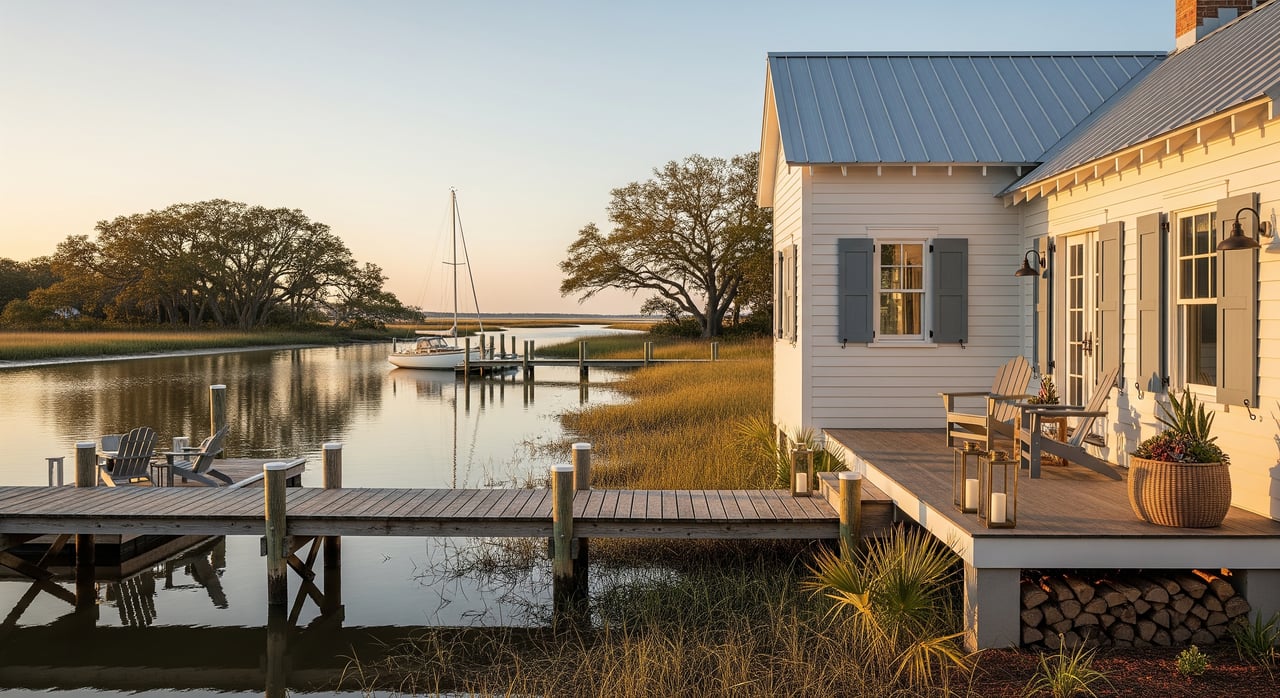
Imagine stepping off the boat at Southport Marina, walking to your porch, and settling in for a salty breeze and sunset. If you are planning that second home near the waterfront or in the historic district, the financing works a bit differently than your primary mortgage. You want clarity before you shop so you can move fast on the right property. In this guide, you will learn which loans fit a second home, how lenders qualify you, what coastal costs to budget for, which documents to have ready, and the next steps to take. Let’s dive in.
A second home is a property you plan to occupy part of the year that is suitable for year-round use. It is not your primary residence and it is not primarily a business. If you plan to rent it out most of the time, lenders may reclassify it as an investment property.
Most lenders follow rules from secondary market buyers like Fannie Mae and Freddie Mac. Their guides outline occupancy, property use, and condo project eligibility that can affect rates, down payments, and documentation. You can review the relevant sections in the Fannie Mae Selling Guide and the Freddie Mac Single-Family Seller/Servicer Guide.
If your Southport home is in a location or property type with heavy short-term rental activity, be ready for extra scrutiny. Loan options can shift if the home will be rented frequently.
Conventional loans are the most common path for second homes. Lenders apply conforming loan limits and their own overlays. Many buyers put 10 to 20 percent down. A larger down payment can improve pricing and underwriting.
These programs are built for primary residences. Because they require owner occupancy as a primary home, they are rarely a fit for a classic vacation property. For a quick refresher on loan types and how they differ, the Consumer Financial Protection Bureau’s mortgage guides are helpful.
If your loan amount is above the conforming limit for Brunswick County, you will likely use a jumbo program. Jumbo loans often require higher credit scores, larger down payments, and more months of reserves.
To see whether your target price will exceed the conforming cap, check the current limits by county on the Federal Housing Finance Agency’s conforming loan limits page.
Some community banks and portfolio lenders offer customized second-home products. These can be useful for unique coastal properties, smaller condo projects, or situations that standard underwriting flags as higher risk.
Lenders usually expect stronger credit for a second home than for a primary residence. Many programs favor scores in the upper 600s to 700s for best pricing. Rates may be modestly higher compared with a similar primary-home loan.
Most lenders accept DTI ratios similar to primary mortgages, often in the 43 to 50 percent range depending on the program. You will need to qualify while carrying your current mortgage, so keep an eye on other debts and new obligations like HOA fees.
Expect to document cash reserves. Many second-home loans require 6 to 12 months of PITI (principal, interest, taxes, insurance) on hand. Jumbo and portfolio options may ask for more.
You must intend to occupy the home part-time and not operate it primarily as a short-term rental. Condo projects with permissive short-term rental policies may face extra lender review. If frequent renting is part of your plan, the lender may categorize the loan as an investment, which typically means higher rates and bigger down payments.
Coastal and historic properties can trigger added appraisal steps. Marina-adjacent condos, homes on pilings, or properties with docks may require more site detail. In the historic district, unique architecture may make comparable sales harder to find, which can affect loan sizing.
Mortgage interest rules can differ when you own more than one home or if you also rent it. For an overview of deductibility and limits, see IRS Publication 936 on home mortgage interest. Consider speaking with a tax professional early.
Your interest rate and total cost are shaped by more than credit and down payment. In Southport, the property’s location and insurance needs carry real weight.
Start with a simple, conservative framework. The goal is to see your full monthly and upfront picture before you write an offer.
Budget components to include:
Building your budget with these inputs helps you move quickly and confidently when the right Southport home hits the market.
Gathering documents upfront can shave days off your approval.
A little due diligence early can protect your budget and timeline.
A clear plan and a well-prepared file help you compete in a tight Southport market, especially for historic cottages and marina-area condos that attract multiple buyers.
Ready to map out your second-home plan in Southport? Our team combines deep local knowledge with a concierge approach that makes coastal ownership easier. Connect with Better Beach Sales to align your budget, timeline, and property goals.
Stay up to date on the latest real estate trends.

Imagine a place where work and play seamlessly blend into one fulfilling lifestyle. Our approach at Better Beach Sales goes beyond finding you the perfect home—it’s about building a community that thrives on collaboration and the natural beauty of Oak Island. Together, we can create opportunities, share success, and truly enjoy all that our coastal haven has to offer.